Horiatiki Salad Recipe and The MIND Diet for Brain Health: More Benefits of Olive Oil
I’m a huge fan of both Greek and Middle Eastern salads, the ingredients of which are not only delicious but also mainstays of the MIND (Mediterranean-DASH Intervention for Neurodegenerative Delay) diet, a way of eating designed for brain health. It’s an offshoot of the super-healthy Mediterranean diet and the DASH (Dietary Approaches to Stop Hypertension) diet. Why the distinction? Because the latest research on the MIND diet shows it can slow aging as well as reduce dementia risk. Add this to the list of the benefits of olive oil—it’s one of the super foods that MIND suggests including every day.
Horiatiki: The Sequel!
 Cherry Tomato Tartlets
These tasty bites can be a luscious lunch or a tempting appetizer. Choose the sweetest variety of cherry tomatoes, red or yellow, available.
Ingredients
- Extra virgin olive oil
- About 28 cherry tomatoes
- 1 tablespoon fresh oregano, chopped
- 1/2 teaspoon fine sea salt
- 1/2 teaspoon freshly ground black pepper
- 1 sheet frozen puff pastry dough, preferably Dufour, defrosted according to package directions
- 1 small egg
- 1 tablespoon water
- 4 mini burrata
- 1/2 cup shredded basil
- Balsamic vinegar of Modena, for drizzling
Directions
Step 1
Line a rimmed sheet pan with heat-safe parchment paper and drizzle the surface with olive oil.
Step 2
Slice the tomatoes in half horizontally and sprinkle them with the oregano, salt, and pepper. Arrange them, cut side down, on the parchment in 8 “flowers” by surrounding one cherry tomato half with six other halves.
Step 3
Gently unfold the pastry dough on a lightly floured surface and, using a floured rolling pin, roll it out to a roughly 16” by 10” rectangle slightly more than 1/8-inch in thickness. Use a 3-1/2” cookie cutter or glass tumbler of that width to make 8 dough circles.
Step 4
Drizzle the tomato flowers lightly with olive oil, then top with a disc of puff pastry, stretching it out gently to fully cover the tomatoes. Press the edges into the pan with the tines of a salad fork. Refrigerate for 30 minutes. Preheat your oven to 400°F.
Step 5
When ready to bake, whisk the egg with the water and brush over each puff. Bake until the pastry puffs and browns, about 30 minutes.
Step 6
Use a wide spatula to flip the tarts tomato-side up onto a platter.
Step 7
Top each one with half a mini burrata, a sprinkle of basil, and a drizzle of balsamic and olive oil.
Yields 8 tartlets
 Olive Oil Hunter News #277
JuanJo’s Farm Pistachio Pesto and Roasted Tomatoes Recipe, Spotlight on Goat Cheese, Pesto Equipment, Coffee Benefits Explained, Exercise Rewires the Heart
During my last trip to Chile for the olive harvest, I got into the kitchen with Juanjo Alonso, who oversees his family’s extraordinary olive farm, and watched him work his magic with our delicious fresh-pressed olive oil. Here is his recipe for pistachio pesto with goat cheese, which can be enjoyed in so many ways. I’m also sharing insights into coffee’s health benefits and how exercise works its magic on the body.
JuanJo’s Farm Pistachio Pesto and Roasted Tomatoes

Healthy Ingredient Spotlight
Goat Cheese
Semi-matured or hard goat cheese is what gives this pesto its character and, because of its firm texture, it grates neatly. The flavor is more complex as well. Some to try are Midnight Moon by Cypress Grove, Vermont Creamery Coupole, Sierra Nevada Cheese Company Capra Bianca Aged Goat Cheddar, and Central Coast Creamery Goat Gouda.

Quick Kitchen Nugget
Pesto Equipment

JuanJo used a blender to create his pesto, but this recipe uses a food processor, which allows you to better control consistency when you use the pulse function—the texture is a touch more rustic, which better suits pesto. Either machine can be used, but I give the food processor the nod.

For Your Best Health
Coffee Benefits Explained
Texas A&M University scientists may have uncovered one reason coffee is repeatedly associated with healthier aging and lower disease risk. Compounds in coffee appear to activate NR4A1, a receptor that helps protect cells from stress, inflammation, and damage. These protective effects disappeared when the receptor was removed, strengthening the connection. Surprisingly, plant-based compounds such as caffeic acid seemed far more active than caffeine itself. The research, published in the journal Nutrients, offers one of the first direct links between coffee compounds and NR4A1.
“Coffee has well-known health-promoting properties,” said Dr. Stephen Safe, Distinguished Professor of Veterinary Physiology and Pharmacology, and Toxicology at Texas A&M. “What we’ve shown is that some of those effects may be linked to how coffee compounds interact with this receptor, which is involved in protecting the body from stress-induced damage.”
NR4A1 is part of a group of nuclear receptors that help control gene activity when the body is exposed to stress or tissue damage. In earlier research, Dr. Safe and his collaborators described NR4A1 as a “nutrient sensor,” meaning that it can respond to dietary compounds and contribute to the body’s ability to remain healthy with age. “If you damage almost any tissue, NR4A1 responds to bring that damage down,” he explained. “If you take that receptor away, the damage is worse.”
Studies have connected NR4A1 with inflammation, metabolism, and tissue repair. Each of these processes is closely involved in age-related conditions, including cancer, neurodegenerative disease, and metabolic disorders.
Large observational studies have linked coffee consumption with a reduced risk of Alzheimer’s disease, Parkinson’s disease, and metabolic disease. However, those studies have generally shown associations rather than explaining exactly how coffee might produce protective effects. Dr. Safe and his team proposed that NR4A1 could be one part of that explanation.
The project involved researchers from across Texas A&M, including Dr. Robert Chapkin, Dr. Roger Norton, Dr. James Cai, and Dr. Shoshana Eitan. Their work helped show coffee’s protective effects in neurological models. The researchers found that several compounds in coffee can bind to NR4A1 and alter its activity. The most active included polyhydroxy and polyphenolic compounds such as caffeic acid. “What we’re saying is that at least part of coffee’s health benefits may come through binding and activating this receptor,” Dr. Safe said.
In laboratory models, these compounds also changed cell behavior in ways associated with disease protection. They reduced cellular damage and slowed the growth of cancer cells. When the researchers removed NR4A1 from the cells, those protective effects disappeared. That result provided additional evidence that the receptor helps mediate at least some of coffee’s biological effects.
Dr.Safe cautioned that coffee is chemically complex and probably affects the body through multiple biological routes. “There are many receptors and many mechanisms involved,” he said.
“What we’re showing is that this could be one of the important pathways.”
The study was designed to investigate biological mechanisms. It does not establish direct cause and effect in people or prove that drinking coffee prevents disease. “There’s still a lot of work to be done,” Dr. Safe added. “We’ve made the connection, but we need to better understand how important that connection is.”

Fitness Flash
Exercise Rewires the Heart
In an animal study, researchers from the University of Bristol in the UK found, for the first time, that regular aerobic training changes the heart’s controlling nerves differently on the left and right sides of the body. The study, published in Autonomic Neuroscience, uncovered a striking left-right difference that may one day improve treatment strategies for irregular heartbeats, chest pain such as angina, and stress-induced broken-heart syndrome.
“The discovery points to a previously hidden left-right pattern in the body’s ‘autopilot’ system that helps run the heart,” said study lead author Dr. Augusto Coppi, Senior Lecturer in Veterinary Anatomy at the University of Bristol. “These nerve clusters act like the heart’s dimmer switch, and we’ve shown that regular, moderate exercise remodels that switch in a side-specific way. This could help explain why some treatments work better on one side than the other and, in the future, help doctors target therapies more precisely and effectively.”
The project was carried out in collaboration with University College London in the UK and Brazil’s University of São Paulo and the Federal University of São Paulo. Using advanced three-dimensional imaging techniques known as stereology, the team examined how exercise changed nerve clusters that help regulate heart function.
After 10 weeks of training, rats that exercised had about four times as many neurons in the cardiovascular nerve cluster on the right side of the body compared with the left, relative to untrained animals. At the same time, neurons on the left side nearly doubled in size, while those on the right became slightly smaller. These findings suggest that exercise remodels the heart’s nerve network in different ways on each side.
“Irregular heart rhythms, known as arrhythmias, stress-induced broken-heart syndrome, and certain types of chest pain are often treated by dialing down overactive stellate ganglia—the paired small nerve hubs in the lower neck/upper chest area that send ‘go faster’ signals to the heart,” explained Dr. Coppi. “By mapping how exercise changes these ganglia on each side, the study offers clues that could one day fine-tune procedures like nerve blocks or denervation to the side most likely to help. The findings are early-stage and in rats, so clinical studies would need to follow. Our next step is to test how these structural changes map onto function and whether similar patterns appear in larger animals and humans.”
Get More Recipes In Your Inbox!- JuanJo’s Farm Pistachio Pesto and Roasted Tomatoes
For his pesto, JuanJo used semi-matured goat cheese rather than Parmigiano-Romano (see more in the Healthy Ingredient Spotlight in Newsletter). It was simple, fast, and stunning. He dolloped it on just-roasted tomatoes, and it’s equally delicious on bruschetta, as a sandwich spread, tossed with hot pasta and a splash of pasta water, served with grilled fish or chicken, and stirred into warm white beans.
Ingredients
For the tomatoes:
- 4 ripe tomatoes, about 8 ounces each
- 1/2 teaspoon coarse sea salt
- 1/2 teaspoon freshly ground black pepper
- Extra virgin olive oil
- 2 ounces semi-matured or hard goat cheese, finely grated
For the pesto:
- 1 cup shelled pistachios, raw and unsalted
- 2 garlic cloves
- 2 cups fresh basil leaves, loosely packed
- Zest and juice of 1 lemon, plus more to taste
- 1/3 cup finely grated semi-matured or hard goat cheese, plus more to taste
- 1/2 cup extra virgin olive oil, plus more as needed
- Coarse sea salt to taste
Directions
Step 1
Preheat your oven to 400°F.
Step 2
Halve the tomatoes horizontally and place them, cut side up, in a shallow casserole dish. Sprinkle on the salt and pepper and drizzle with olive oil. Roast for 25 to 30 minutes, until they soften and begin to brown. Then top each half with equal amounts of the cheese and roast for another 10 minutes until the cheese is melted and lightly golden on top.
Step 3
While the tomatoes are roasting, make the pesto. Warm the pistachios in a hot, dry skillet for 2 to 3 minutes, just enough time to wake up their natural oils but not to color them. This keeps the pesto a vivid green.
Step 4
Pulse the pistachios and garlic in a food processor until coarsely chopped. Add the basil, lemon zest, and juice and pulse a few more times. Add the cheese and pulse briefly to combine.
Step 5
With the processor running, drizzle in the olive oil until the pesto becomes a spoonable consistency. If too thick, add more olive oil, 1 tablespoon at a time, and pulse. Taste and season with salt if needed. If desired, add more lemon for brightness, more olive oil for body, and/or more cheese for richness.
Step 6
Plate two tomato halves on each of four plates and spoon generous amounts of the pesto over each one.
Yields 4 servings
 Olive Oil Hunter News #276
Frosty Summer Shake Recipe, Spotlight on Bananas, Storing Bananas, Another Look at Intermittent Fasting, plus More Benefits of the Mediterranean Diet
Few recipes are as simple as smoothies—add ingredients to your blender and whirr! At the height of summer, I like to load up on seasonal fruits…and use frozen bananas to add richness. Feel free to add whatever catches your eye at the farmers’ market. My ingredients fit neatly into the Mediterranean diet, perfectly fitting for the two studies I’m sharing. Both center on this diet, offering more evidence of the powerful benefits of this way of eating.
Frosty Summer Shake
Healthy Ingredient Spotlight
Bananas
Bananas often get a bad rap for being high in carbohydrates, but they’re high in many nutrients and can be part of most people’s diets, according to the American Heart Association. One medium banana has 375 milligrams of potassium, a mineral essential for heart health. For men, that’s about 11% of the RDA, and for women, 16%. You’ll also get magnesium and 5 grams of fiber, along with beneficial phytochemicals and antioxidants.
There are some differences between slightly unripe (green) bananas and fully ripe (yellow) bananas. Unripe bananas have resistant starch, a prebiotic fiber that feeds good-for-you probiotics, those beneficial gut bacteria needed for digestion. As bananas ripen, that resistant starch is broken down into natural sugars, making them sweeter.

Quick Kitchen Nugget
Storing Bananas
Keep unripe bananas on a counter out of direct sunlight. Once fully yellow, if you’re not going to eat them right away, put them, unwrapped, in the produce drawer of your fridge—the skins will eventually turn brown, but the fruit will stay firm for up to a week. You can also slice ripe bananas, freeze on a tray, and then transfer to a freezer-safe container to have them on hand for smoothies and shakes.
For Your Best Health
Another Look at Intermittent Fasting
According to a new study done in Spain and published in the journal Clinical Nutrition, intermittent fasting, or time-restricted eating, may be practical in the short term while also producing effects that continue well beyond the initial program.
The study followed 99 adults who were overweight or obese. During the first 12 weeks, all participants received education about following a Mediterranean diet. They were then placed into four groups: The control group continued its usual daily eating window of 12 hours or longer. The early fasting group followed an 8-hour window beginning before 10 a.m. The late fasting group used an 8-hour window beginning after 1 p.m. Participants in the self-selected group chose their own 8-hour schedule.
Researchers measured body weight, fat mass, and fat-free mass before and after the intervention. They assessed the same measurements again one year after the program had concluded. At that point, both the early and late fasting groups had maintained significantly more weight loss than participants who continued eating across 12 hours or more each day. Those assigned to the early schedule also preserved a larger reduction in fat mass.
The study’s first author, Dr. Alba Camacho Cardeñosa, a researcher at the University Joint Institute for Sport and Health at the University of Granada and a postdoctoral fellow, explained, “To date, although we knew that intermittent fasting promotes modest weight loss in the short term, it was unclear whether its effects were sustained over time. By evaluating the participants 12 months after the intervention ended, we demonstrated that the changes in body weight persist.”
The researchers also said that the routine may be manageable outside a controlled study, stating that one in three people decided to continue practicing intermittent fasting on their own during that year of follow-up. This suggests that it’s a relatively easy habit to integrate into daily life.
The results also suggest that even a 12-week period of intermittent fasting could provide an effective medium-term option for weight management among adults who are overweight or obese. Because both early and late eating windows produced lasting benefits, patients may be able to choose the schedule that fits their routines most comfortably. That flexibility could make the approach easier to follow and potentially improve its usefulness in obesity treatment.
Fitness Flash
More benefits of the Mediterranean Diet
A Mediterranean-style diet may influence aging through an unexpected biological pathway involving tiny proteins produced inside mitochondria, according to a new study led by researchers at the USC Leonard Davis School of Gerontology. Mitochondria are best known as the structures that generate energy inside cells, but scientists increasingly recognize that they also release chemical signals that affect metabolism, inflammation, stress responses, and aging.
The researchers found that older adults who followed a Mediterranean diet most closely had higher blood levels of two mitochondrial microproteins, humanin and SHMOOSE. Both have previously been associated with protection against cardiovascular disease and neurodegeneration, the gradual loss of nerve cell function seen in conditions such as Alzheimer’s disease.
The study was led by Roberto Vicinanza, MD, PhD, an instructional associate professor of gerontology at the Davis School. “These microproteins may act as molecular messengers that translate what we eat into how our cells function and age,” Dr. Vicinanza said. “It’s a new biological pathway that helps explain why the Mediterranean diet is so powerful.”
The Mediterranean diet emphasizes olive oil, fish, legumes, fruits, vegetables, whole grains, and other minimally processed foods. It generally limits refined carbohydrates, heavily processed products, and foods high in added sugar. Decades of research have linked this eating pattern to a lower risk of cardiovascular disease, type 2 diabetes, cognitive decline, and premature death. However, scientists are still working to identify the cellular processes that may produce those benefits.

For the new study, the research team examined blood samples from older adults who followed the Mediterranean diet to different degrees. Participants with the strongest adherence had significantly higher concentrations of humanin and SHMOOSE. They also had lower indicators of oxidative stress—that’s a form of cellular damage caused when unstable molecules known as reactive oxygen species overwhelm the body’s protective systems. Persistent oxidative stress can injure proteins, fats, and DNA and has been associated with aging and many chronic diseases.
The findings suggest that individual parts of the Mediterranean diet may contribute differently to mitochondrial health. Higher consumption of olive oil, fish, and legumes was associated with increased levels of humanin. Olive oil and a lower intake of refined carbohydrates were linked to higher levels of SHMOOSE.
“These findings suggest that specific components of the Mediterranean diet may directly influence mitochondrial biology,” said Pinchas Cohen, MD, USC Distinguished Professor and the study’s senior author. “Humanin and SHMOOSE could serve as biomarkers for adherence to the Mediterranean diet and have clinical significance.” A biomarker is a measurable biological sign that can provide information about health, disease, or how the body is responding to a behavior or treatment. In this case, the two microproteins could potentially help researchers measure how strongly a person’s body is responding to a Mediterranean eating pattern.
The study builds on more than 20 years of research led by Dr. Cohen, who helped pioneer the discovery of peptides produced by mitochondria. Most familiar human proteins are made from instructions contained in the DNA inside the cell nucleus. Mitochondria, however, carry a small amount of their own genetic material, inherited separately from nuclear DNA.
Humanin and SHMOOSE come from short sections of the mitochondrial genome known as small open reading frames. These regions were once thought to have little or no function, but researchers now know that some of them produce biologically active microproteins. Humanin is among the most extensively studied of these molecules. Dr. Cohen and his colleagues first identified it in 2003. Subsequent research has connected it to improved insulin sensitivity, cardiovascular protection, longer life span, and the preservation of cognitive function.
Dr. Cohen’s laboratory later discovered SHMOOSE (Small Human Mitochondrial ORF Over SErine tRNA), which has been linked to brain health. One genetic variant of SHMOOSE has been associated with a greater risk of Alzheimer’s disease, while the normal form appears to help shield neurons from damage related to amyloid, a protein that can accumulate abnormally in the brain and form plaques, one of the major biological features associated with Alzheimer’s.
“These peptides are emerging as key regulators of aging biology,” Dr. Cohen said. “They connect mitochondrial function to diseases like Alzheimer’s and heart disease and now, potentially, to nutrition.”
The researchers also identified a possible connection between humanin and Nox2, an enzyme involved in producing reactive oxygen species. Although reactive oxygen species play useful roles in normal cell signaling and immune defenses, excessive production can damage tissues and increase oxidative stress. Higher humanin levels were associated with lower Nox2 activity. This relationship suggests that humanin could help limit oxidative damage and provide added protection for the heart and blood vessels.
The researchers propose that the Mediterranean diet may protect the cardiovascular system in two complementary ways. It may directly reduce oxidative stress while also increasing mitochondrial microproteins that help restrain damaging cellular pathways. “This could represent a new cardioprotective mechanism of the Mediterranean diet,” Dr. Vicinanza said.
Dr.Vicinanza has also worked to promote the Mediterranean diet beyond the laboratory, presenting it as a model not only for health, but also for culture and environmental sustainability.
He has collaborated with the Municipality of Pollica in Italy, a UNESCO Mediterranean Diet emblematic community, to support the creation of the International Day of the Mediterranean Diet at the United Nations, an observance that will take place each year on November 16. Its goal is to increase awareness of the Mediterranean diet’s health, cultural, and environmental importance around the world.
Dr. Vicinanza said that mission reflects the broader implications of the new findings. “We’re connecting centuries-old dietary traditions with cutting-edge molecular biology,” he said. “It supports the idea that healthy eating patterns with little to no ultra-processed foods reflect how humans have eaten over long periods and may create conditions to which mitochondria—ancient cellular organelles—are likely adapted.”
The study was relatively small and observational. That means it identified associations between diet and microprotein levels but could not prove that following the Mediterranean diet directly caused those biological changes. Other factors, including physical activity, overall health, medication use, genetics, and lifestyle, could also have influenced the findings. Even with those limitations, the results point toward a developing field known as precision nutrition. This approach aims to use biological measurements, genetics, metabolism, and other personal characteristics to design dietary recommendations that are more individualized than standard nutrition advice.
Humanin, SHMOOSE, and related mitochondrial microproteins could eventually help scientists determine which dietary patterns are producing beneficial cellular effects in a particular person.
Future studies will test whether changing a person’s diet can directly raise levels of these peptides and whether those increases result in a measurable reduction in disease risk. “Our goal is to move from observing associations to understanding causality,” Dr. Vicinanza said. “If we can harness these pathways, we may be able to design nutritional strategies that promote healthy aging at the molecular level.”
Get More Recipes In Your Inbox!- Frosty Summer Shake
In the heat of summer, you want a breakfast that’s not only nourishing but also refreshing. This shake delivers on both counts.
Ingredients
- 1/2 ripe avocado, peeled and pitted
- 3 ounces plain low-fat yogurt or skyr
- 3 ounces frozen banana slices
- 4 ounces fresh blueberries
- 1 peach, halved and pitted
- 1/2 cup your choice of milk
- 1 tablespoon extra virgin olive oil
- 1 tablespoon freshly ground flax seeds
Directions
Step 1
Place all the ingredients in a high-powered blender and process until smooth.
Step 2
Serve in two glasses and enjoy.
Yields 2 servings
 Olive Oil Hunter News #275
Pasta with Spicy Red Clam Sauce Recipe, Spotlight on Clams, Is There a Downside to Going Sugar-Free, and The Perils of Muscle Loss
Summer and seafood are a natural pairing. For a change of pace from shrimp and lobster, try this zesty clam sauce over your favorite pasta. My quick tips take the trepidation out of their prep. I’m also sharing some surprising contrarian research about sugar-free diets as well as another reason why muscle strength is so important later in life.
Pasta with Spicy Red Clam Sauce
Healthy Ingredient Spotlight
Clams
The best clams for red sauce are sweet and tender littlenecks or Manilas. The larger the clam, the tougher it can get, but if you happen to come across fresh varieties of these, like cherrystone or chowder clams, steam them just until they open and cut into small pieces with kitchen shears. It’s also possible to use canned baby clams for a simplified version of red clam sauce—add water to the liquid to make the needed cup of clam juice.
Quick Kitchen Nugget
Storing and Purging Fresh Clams

As soon as you get home, take the clams out of any sealed plastic bag or wrapping. Discard any clams with cracked or broken shells. If any are slightly open, tap the shell or give it a light squeeze. If it closes on its own, it is alive and safe to keep. If it stays open, throw it away.
To keep live clams fresh, store them in the refrigerator in an open, breathable container like a colander covered with a damp cloth. For extra chilling, you can nest the container inside a slightly larger bowl filled with ice, making sure that any melting ice water will stay below the clams—you don’t want them sloshing in fresh water.
About 30 minutes before you’re ready to cook the clams, purge them in a saltwater bath to encourage them to spit out any sand. Rinse the clams in cold water and scrub their outer shells to remove any loose mud or dirt. Mix 1/4 cup of sea salt into 1 gallon of cold water and submerge them for 30 minutes (if possible, place them on a steaming rack in the bowl so the sand will sink to the bottom). Use your hands to lift them out of the water and proceed with your recipe.
For Your Best Health
Is There a Downside to Going Sugar-Free?
It’s a provocative idea: Giving up sugar entirely may not be as beneficial as many people assume. New research presented at ENDO 2026, the Endocrine Society’s annual meeting, suggests that completely removing sugar from your diet could have unintended effects on gut and metabolic health.
Researchers from the Dasman Diabetes Institute in Kuwait examined what happened when mice were fed a low-fat diet that contained no sucrose, a common form of sugar. The study compared those animals with a control group that received a low-fat diet containing sucrose over a 16-week period.
To evaluate the effects of eliminating sucrose, the researchers measured glucose tolerance, insulin sensitivity, circulating metabolic hormones, the gut microbiome, and inflammation in both the colon and liver.
Despite maintaining similar body weights, mice on the sucrose-free diet experienced several negative health changes compared with the control group. These included poorer glucose control, insulin resistance, imbalances in gut microbes, intestinal inflammation, and changes associated with fatty liver disease.
“Completely removing sucrose from a low-fat diet may unexpectedly disrupt gut health and promote inflammation and metabolic dysfunction, highlighting that balanced nutrition is more important than simply eliminating sugar,” said Rasheed Ahmad, PhD, principal scientist and head of the Immunology and Microbiology Department at the Institute. “The study highlights the importance of maintaining balanced dietary carbohydrates to support gut and immune homeostasis.”
According to the researchers, little was previously known about the potential consequences of highly restrictive low-fat diets that eliminate sugar entirely. “This research may influence future dietary recommendations by emphasizing the importance of maintaining a healthy gut microbiome rather than focusing only on sugar restriction,” Dr. Ahmad said. “In the long term, these findings could help improve strategies for preventing and managing metabolic disorders, fatty liver disease, and chronic inflammatory conditions.”
Fitness Flash
The Perils of Muscle Loss

Scientists have discovered that aging muscle may contribute to cancer growth by releasing fewer extracellular vesicles, tiny particles that cells use to communicate with one another.
Their study also found that the composition of these particles changes with age, weakening protective signals that help suppress tumor development. Encouragingly, exercise appears to restore this protective function. Published in the journal Nature Communications, the findings offer fresh insights into healthy aging and cancer prevention, as well as point to potential biomarkers and therapies tailored to older adults.
The effects of aging muscle are especially evident in sarcopenia, a condition marked by loss of skeletal muscle mass and strength. Working with collaborators from Singapore General Hospital and Cardiff University, the scientists found that sarcopenic muscle secretes fewer extracellular vesicles. As muscle ages, these vesicles also contain lower levels of miR-7a-5p—a microRNA or a very small RNA molecule that helps regulate gene expression by controlling the types and amounts of proteins cells produce and also plays a role in restraining tumor growth.
Importantly, the team also discovered that the release of extracellular vesicles from muscle is controlled by a biological pathway that declines with age but can be reactivated through exercise. “Muscle cells use extracellular vesicles to send messages and influence how other cells behave, but exactly how these messages are delivered and received is not fully understood,” said Assistant Professor Tang Hong-Wen from the Cancer & Stem Cell Biology Signature Research Programme at Duke-NUS Medical School and senior author of the study. “Our research uncovers this hidden process, showing that as muscles weaken with age, these signals can change in ways that can promote tumor growth.”
“Clinically, we observe an association between advanced cancer and low muscle mass. This is a novel study which illustrates how healthy muscle can potentially inhibit tumor growth,” said Kenon Chua, a consultant in the orthopedic surgery department at Singapore General Hospital and one of the authors of the study. “We observe that healthy muscles secrete many physiologically important molecules. With advanced age, it is even more important to engage in regular resistance and aerobic exercises in order to maintain healthy muscle volume. This is important not only for function and mobility, but also for general health. We hope that the insights from our research can help us develop new targeted therapies for our patients as well as convince more people of the benefits of regular exercise.”
With their study, the scientists have established a direct biological link between aged muscle and tumor growth. Together, the findings reveal a muscle-to-tumor communication pathway that could be targeted to develop new therapies aimed at preventing cancer progression.
Get More Recipes In Your Inbox!- Pasta with Spicy Red Clam Sauce
Summer’s bounty of cherry tomatoes is ripe (pun intended) for a rich and spicy clam sauce. While clams may seem daunting, they’re no more complicated to steam than a lobster. Just be sure to buy the freshest—and smallest—ones you can find.
Ingredients
- 24 littleneck or Manila clams, purged (see Quick Kitchen Nugget in Newsletter)
- 1/4 cup extra virgin olive oil, more for drizzling
- 6 garlic cloves, peeled and chopped
- 1/4 teaspoon crushed hot red pepper flakes, more to taste
- 4 cups cherry tomatoes, Sungolds if possible
- Large sprig fresh basil
- 8 ounces pasta such as thin spaghetti or linguine
Directions
Step 1
Steam the clams on a rack over about 2 inches of boiling water in a large, covered stockpot until they open, about 6 to 8 minutes. Remove the rack with the clams and set aside until cool enough to handle, then pull the clam meat from the shells and place in a small bowl. Drizzle with olive oil to keep moist and cover. Boil down the clam broth in the stockpot until it reduces to about 1 cup; set aside off the heat.
Step 2
Heat a large wok or Dutch oven over medium heat. When hot, add the 1/4 cup oil and the garlic and cook until garlic is sizzling, about 1 to 2 minutes. Add the red pepper flakes and sauté for 1 minute. Add the cherry tomatoes and cook until they burst, about 5 minutes, then use a potato masher to release their juices. Add the reserved clam broth and the basil and simmer, uncovered, for about 8 minutes or until the sauce has reduced.
Step 3
While sauce is cooking, cook the pasta in a large pot of salted water until al dente, about 8 minutes. Use tongs to transfer the pasta to the pan with the sauce and toss to coat. Discard the basil and add the clams just to heat through.
Yields 2 servings
 Olive Oil Hunter News #274
Watermelon & Feta Skewers Recipe, Spotlight on Watermelon, Storing Feta, The Facts on Flavanols, plus Strength Training and Longevity
Summer and watermelon go hand in hand, and this twist on the classic watermelon and feta salad is fun to put together and even more fun to eat. I’m also sharing two timely studies on ways to combat heart disease and increase longevity: eating more flavanol-rich foods and strength training for an hour and a half to two hours a week—two strategies you can actually enjoy.
Watermelon & Feta Skewers
Healthy Ingredient Spotlight
Wild for Watermelon
Watermelon is more than a summertime refreshment—it’s a nutrient powerhouse that, being 92% water, deliciously counts toward hydration.
Watermelon has more of the antioxidant lycopene than any other fresh fruit or vegetable. Lycopene is linked to a lower risk of cancer, heart disease, and age-related eye disorders. Just one cup of watermelon chunks contains 865 IUs of vitamin A, 12 milligrams of vitamin C, 170 milligrams of potassium, and a small amount of vitamin B6.
When shopping for a whole watermelon, look for one that is firm, symmetrical in size and markings, and solid for its size. It should have a deep yellow spot on the underside, which comes from sitting on the ground and ripening. A spot that’s white or pale yellow often indicates that the melon was picked too early and will not be sweet enough.
Quick Kitchen Nugget
Storing Feta
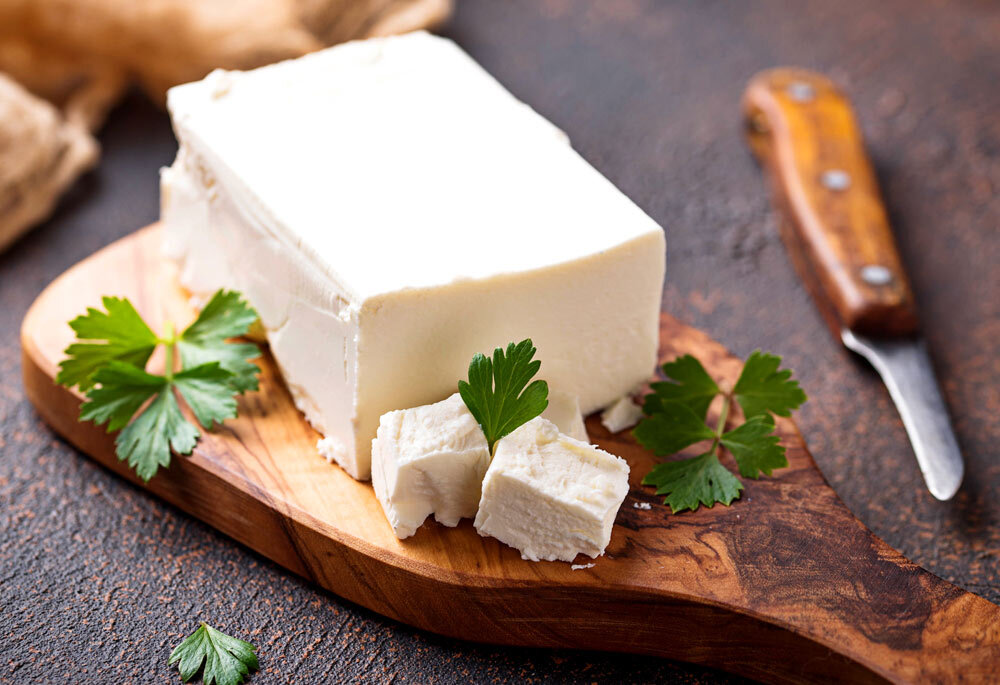
Containers of feta are typically sold with the cheese submerged in the brine it was made with to prevent it from drying out (I’m a fan of those imported from Greece). If you buy a block from a cheese store and it’s wrapped in paper, use it within a day or two. Place any extra in a covered glass dish and drizzle liberally with olive oil before refrigerating. The olive oil not only protects it but also imparts great flavor—you can even add aromatics like herbs, lemon slices, and crushed black peppercorns for marinated feta.
For Your Best Health
The Facts on Flavanols

Leading health organizations suggest eating a minimum of 5 portions of fruits and vegetables combined every day, with a daily split of 1.5 to 2 cups of fruit and 2.5 to 3 cups of vegetables.New research has found that this goal isn’t enough if you’re not choosing foods rich in flavanols, compounds linked to better heart health. According to earlier studies, it takes about 500 milligrams of flavanols per day to significantly lower the risk of death from heart disease.
For the new study, published in the journal Food and Function, scientists from the University of Reading in the United Kingdom, Harvard Medical School, the University of California, Davis, and Mars, Inc., analyzed dietary data from more than 30,000 people in the UK and the US using biomarker measurements to assess flavanol intake. They found that fewer than 20% reached the flavanol intake level associated with heart health benefits. Even many people who regularly ate the recommended five daily servings of fruits and vegetables failed to meet the flavanol target.
Said Dr. Javier Ottaviani, the study’s lead author, “Flavanols can significantly reduce the risk of dying from cardiovascular disease, but only if you consume enough of them. Most people assume that eating plenty of fruit and vegetables covers this, but what this research shows is that the specific choices you make matter far more than the total amount.” Having a handful of blackberries, a whole apple, or a cup of green tea with a meal could make a real difference to how much of these beneficial compounds you actually consume and absorb from the diet, he added.
Said Professor Gunter Kuhnle of the University of Reading, “Five-a-day is the right message, but we may need to think more carefully about which five. Different fruits and vegetables offer very different nutritional benefits beyond vitamins and minerals, and as our understanding of these compounds grows, there is a real opportunity to make dietary guidance more specific and more effective. This research is a step towards understanding what that might look like in practice.”
Here are the foods the researchers identified as some of the richest dietary sources of flavanols per serving:
- Plums, 500 grams: about 450 milligrams of flavanols
- Cranberries, 250 grams: about 300 milligrams of flavanols
- Blackberries, 200 grams: about 250 milligrams of flavanols
- Green tea, 250ml cup: about 200mg of flavanols
- Broad or fava beans, 80 grams: about 140 milligrams of flavanols
- Cherries, 400 grams: about 130 milligrams of flavanols
- Apples with skin, 200 grams or one medium apple: about 110 milligrams of flavanols
- Strawberries, 200 grams: about 90 milligrams of flavanols
- Blueberries, 150 grams: about 80 milligrams of flavanols
- Pinto beans, 40 grams or two tablespoons dry: about 70 milligrams of flavanols
Fitness Flash
Strength Training and Longevity
According to a study done by an international group of researchers and published online in the British Journal of Sports Medicine, 90 to 120 minutes of strength training a week may deliver some of the biggest long-term health rewards. That level of exercise was linked to a 19% lower risk of death from cardiovascular disease and a 27% lower risk of death from neurological disease. Combining strength workouts with aerobic exercise produced even stronger benefits. However, there was no additional advantage from doing more than 120 minutes of strength training per week.
While the life-extending benefits of aerobic exercise are well established, the impact of muscle-strengthening activities on overall mortality and specific causes of death has been less clear. The researchers wanted to determine whether strength training alone, or combined with aerobic exercise, could influence those risks.
To investigate, they analyzed data collected from three major American studies: the Health Professionals Follow-up Study (1992-2022), the Nurses’ Health Study (2002-2021), and the Nurses’ Health Study II (2003-2021). Together, the studies included 147,374 participants (31,540 men and 115,834 women).
Every two years, participants reported how much time they spent each week doing strength training and aerobic exercise. Aerobic activities included brisk walking, running, jogging, swimming, cycling, tennis, squash, strenuous outdoor work, and stair climbing. Strength training included exercises using weights or body weight, such as press-ups, squats, and lunges.
At the start of the study, participants were an average of 54 years old. Those who reported higher levels of strength training were generally younger, weighed less, followed healthier lifestyles, and engaged in more aerobic activity than those who did no strength training.
About three quarters (74%) of participants exceeded the recommended 150 minutes of moderate-intensity aerobic exercise per week, equivalent to 7.5 MET hours over the long term. METs measure how many calories are burned during physical activity compared with resting. Nearly half (46%) of participants reported doing some form of strength training.
The researchers found that higher long-term levels of weekly strength training were associated with a lower risk of death. After accounting for other factors that could affect the results, participants who performed 90-119 minutes of strength training per week had a 13% lower risk of death from any cause. Cancer-related benefits appeared at lower amounts of strength training. Participants who performed 1-29 minutes per week had a 21% lower risk of cancer death, while those doing 30-59 minutes per week had an 18% lower risk.
Compared with people who did less than 7.5 MET hours of aerobic activity per week and no strength training, participants who performed strength training alone for 1 to 59 minutes or 60 to 119 minutes per week had a 7 to 11% lower risk of death. Aerobic exercise on its own also showed strong benefits. Any amount above 7.5 MET hours per week was associated with a 26 to 43% lower risk of death.
The lowest mortality risk was seen among people who combined high levels of aerobic exercise with strength training. Those who accumulated 30 to 44 MET hours of aerobic activity per week and 60 to 119 minutes of strength training had a 45% lower risk of death. Even greater reductions were observed among participants who performed 45+ MET hours of aerobic activity per week. In that group, the risk of death was 53% to 58% lower regardless of how much strength training they did.
The researchers emphasized that this was an observational study, meaning it cannot prove that strength training directly caused the reductions in mortality risk. They also noted several limitations. Exercise habits were self-reported, which can introduce inaccuracies. The analysis did not include certain forms of strength training, such as calisthenics and Pilates. In addition, information was not available on the duration of individual workouts or the intensity of strength training sessions, factors that could have influenced the results.
Despite those limitations, the researchers concluded: “Our findings on different dose-response relationships between long-term resistance training with all-cause and cause-specific mortality suggest that different amounts of resistance training may be needed to optimize benefits across outcomes. The observed pattern that adding resistance training further reduced mortality risk across all levels of aerobic activity up to 45 MET hours/week supports current recommendations encouraging both types of activity to maximize mortality benefits.”
Get More Recipes In Your Inbox!- Watermelon & Feta Skewers
These skewers are a refreshing appetizer for summer gatherings and a great finger food—no forks required. It can be prepped a few hours in advance, but wait until you’re ready to serve before drizzling with the oil and vinegar.
Ingredients
- One 5-pound or larger watermelon
- 16-ounce block of feta cheese, preferably from Greece
- Twelve 8-inch wooden skewers
- Extra virgin olive oil, for drizzling
- Balsamic vinegar of Modena, for drizzling
- Freshly ground black pepper to taste
Directions
Cut the watermelon and the feta into 1-inch cubes. Thread 2 cubes of each in an alternating pattern onto wooden skewers. Arrange on a platter, drizzle with olive oil and vinegar, and sprinkle with black pepper.
Yields 12 skewers
 Olive Oil Hunter News #273
Churrascas Recipe, Spotlight on Extra Virgin Olive Oil for Cooking, The Right Rolling Pin for the Job, More Concerns over Ultra-processed Foods, and Travel: The New Fountain of Youth
I came back from my most recent trip to Chile with more recipes than could fit in the Pressing Report, so I’m sharing the first one of two with you here. Delicious and easy-to-make churrascas, traditional Chilean flatbreads, cook up fast on the stovetop. They’re perfect for filling taco-style with grilled meat cubes, topping with shredded cheese and salsa, slicing in half for sandwiches, or simply drizzling with fresh-pressed Chilean olive oil! Then check out new research on the risks of eating ultra-processed foods, plus more evidence of the positive effects of travel.
Churrascas
Healthy Ingredient Spotlight
Extra Virgin Olive Oil for Cooking
While many Fresh-Pressed Olive Oil Club members love drizzling EVOO on food or even sipping it as a daily health ritual, olive oil is also meant for cooking. I was pleased when, in 2019, the famed Culinary Institute of America (CIA) put out a whitepaper promoting olive oil to improve the health of the planet and its inhabitants, declaring it to be the best cooking fat from a health and sustainability perspective. What’s more, CIA recommended olive oil for all methods of cooking, including high-heat frying, dismissing the myth about a low smoke point. I encourage you to expand your olive oil recipe repertoire.
Quick Kitchen Nugget
The Right Rolling Pin for the Job

If you only have one rolling pin, make it atapered French rolling pin, say expert bakers. It’s a single solid piece of wood that tapers at the ends. The tapered ends allow your fingers to wrap around the wood for good downward pressure and make it easier to make the quarter-turns needed for smooth dough with uniform thickness.
The second one to have in your kitchen is a dowel or cylindrical rolling pin. It’s great for gettingeven thickness across large sheets of dough, no matter what thickness you need to achieve. This straight-shaped rolling pin has the same consistent diameter along its entire length.
The common American or roller-style pin has handles on either end that rotate on internal bearings, so you can push down firmly without gripping the roller. It’s best for stiffer doughs, like cookies.
For Your Best Health
More Concerns over Ultra-processed Foods
A new study, published in Alzheimer’s & Dementia: Diagnosis, Assessment & Disease Monitoring, a journal of the Alzheimer’s Association, suggests that eating more ultra-processed foods (UPFs) could make it harder to stay focused and may contribute to factors linked to dementia, even among people who otherwise follow healthy diets. UPFs include products such as soft drinks, packaged salty snacks, and ready-made meals. Unlike fresh or minimally processed foods, these products undergo extensive industrial processing.
Researchers from Monash University, the University of São Paulo, and Deakin University analyzed dietary and cognitive data from more than 2,100 middle-aged and older Australian adults who did not have dementia. They used data from the Healthy Brain Project, which is supported by the National Health and Medical Research Council, the Alzheimer’s Association, the Dementia Australia Research Foundation, the Bethlehem Griffiths Research Foundation, the Yulgilbar Alzheimer’s Research Program, the National Heart Foundation of Australia, and the Charleston Conference for Alzheimer’s Disease. Participants in the study obtained about 41 percent of their daily calories from ultra-processed foods, nearly matching the Australian national average of 42 percent.
The study found that even modest increases in ultra-processed food consumption were associated with measurable declines in attention and mental processing speed. Lead author Dr. Barbara Cardoso, from Monash University’s Department of Nutrition, Dietetics and Food and the Victorian Heart Institute, said the results add to growing evidence linking highly processed foods to poorer brain health. “To put our findings in perspective, a 10 percent increase in UPFs is roughly equivalent to adding a standard packet of chips to your daily diet,” Dr. Cardoso said. “For every 10 percent increase in ultra-processed food a person consumed, we saw a distinct and measurable drop in a person’s ability to focus. In clinical terms, this translated to consistently lower scores on standardized cognitive tests measuring visual attention and processing speed.”
One of the study’s most notable findings was that the negative effects on attention appeared regardless of a person’s overall diet quality. Even participants who generally followed a healthy Mediterranean-style diet showed the same relationship between greater ultra-processed food intake and poorer focus. According to the researchers, this suggests that the level of processing itself may play an important role.
“Food ultra-processing often destroys the natural structure of food and introduces potentially harmful substances like artificial additives or processing chemicals,” Dr. Cardoso said. “These additives suggest the link between diet and cognitive function extends beyond just missing out on foods known as healthy, pointing to mechanisms linked to the degree of food processing itself.”
The researchers also found that higher consumption of ultra-processed foods was associated with an increase in known dementia risk factors. These include conditions such as obesity and high blood pressure, both of which can be managed to help support long-term brain health. While the study did not identify a direct link between ultra-processed foods and memory loss, the researchers note that attention is a fundamental cognitive function. It plays a critical role in learning, problem-solving, and many other mental tasks. Because attention serves as the foundation for so many aspects of thinking, declines in focus may represent an important early warning sign of broader cognitive changes.
Fitness Flash
Travel: The New Fountain of Youth
New research from Edith Cowan University (ECU) reinforces the idea that travel can be a surprisingly powerful anti-aging tool. Researchers found that positive travel experiences may help the body stay balanced and resilient. Activities like exploring new places, staying active, and connecting with others can boost immunity, metabolism, and stress recovery. However, stressful or unsafe travel could reverse these benefits.
In 2024, we reported on ECU’s interdisciplinary study published in the Journal of Travel Research, for which researchers applied the theory of entropy to tourism, proposing that positive travel experiences may support physical and mental health in ways that could help slow some signs of aging. The work does not suggest that travel can stop aging, but it frames tourism as more than a break from routine. It may be a way to help the body maintain balance, resilience, and repair.
Entropy is often described as the universe’s movement toward disorder. In the context of health, the researchers suggest that experiences can either support or disrupt the body’s ability to stay organized and functioning well. Positive travel experiences may help reduce that drift toward disorder, while stressful or unsafe travel may push the body in the opposite direction.
Since the 2024 study, related work has continued to explore travel therapy as a possible health and wellness approach. A 2025 research note by ECU PhD candidate Ms. Fangli Hu and colleagues described travel therapy as an emerging approach in which positive travel experiences may promote well-being, while also emphasizing the need to weigh benefits against risks.
Another 2025 paper called for closer collaboration between travel medicine and tourism, reflecting a growing interest in how vacations, health risks, preventive care, and traveler well-being overlap. A 2025 systematic review also found that tourism and healthy aging is becoming an important interdisciplinary research area but remains underexplored and in need of stronger methods and clearer future research directions.

Together, these newer findings support a careful interpretation: travel may offer real health-related benefits, especially when it includes movement, social connection, novelty, and restoration, but researchers are still working to understand how strong those effects are and who benefits most.
“Aging, as a process, is irreversible. While it can’t be stopped, it can be slowed down,” Ms. Hu said, explaining that travel may improve well-being by placing people in new environments, encouraging movement, increasing social interaction, and creating positive emotions. Those same ideas already appear in areas such as wellness tourism, health tourism, and yoga tourism.
“Tourism isn’t just about leisure and recreation. It could also contribute to people’s physical and mental health,” Ms. Hu added.
Viewed through an entropy lens, travel therapy could become a meaningful health intervention, Hu said. The idea is that positive travel experiences, as part of a person’s environment, may help the body maintain a healthier low-entropy state by influencing four major body systems.
Travel often combines unfamiliar surroundings with relaxing experiences. New settings can stimulate the body, raise metabolic activity, and help activate self-organizing processes that keep biological systems working smoothly. These experiences may also prompt the adaptive immune system, which helps the body recognize and respond to outside threats.
Ms. Hu said that this reaction improves the body’s ability to perceive and defend itself against external threats: “Put simply, the self-defense system becomes more resilient. Hormones conducive to tissue repair and regeneration may be released and promote the self-healing system’s functioning.”
Relaxing travel activities may also help reduce chronic stress and calm an overactive immune response. Recreation can ease tension and fatigue in the muscles and joints, supporting metabolic balance and strengthening the body’s ability to resist wear and tear.
This matters because travel is rarely just sitting still. Trips often include walking through cities, hiking trails, climbing, cycling, or simply spending more time on your feet than usual. That physical activity can increase metabolism, energy use, and nutrient movement throughout the body, all of which may support the systems that keep the body repaired and resilient.
“Participating in these activities could enhance the body’s immune function and self-defense capabilities, bolstering its hardiness to external risks. Physical exercise may also improve blood circulation, expedite nutrient transport, and aid waste elimination to collectively maintain an active self-healing system. Moderate exercise is beneficial to the bones, muscles, and joints in addition to supporting the body’s anti-wear-and-tear system,” Ms. Hu said.
The same research also cautions that travel is not automatically healthy. Tourists can face infectious diseases, accidents, injuries, violence, unsafe food or water, and other risks linked to poor planning or unsuitable travel choices. “Conversely, tourism can involve negative experiences that potentially lead to health problems, paralleling the process of promoting entropy increase. A prominent example is the public health crisis of COVID-19,” said Hu.
The central message is not that any trip will slow aging. Rather, positive travel experiences may help the body and mind function better by combining novelty, relaxation, physical activity, and social connection. When travel is safe, restorative, and active, it may do more than create memories. It could help support healthier aging from the inside out.
Get More Recipes In Your Inbox!

For Your Best Health
The MIND Diet for Brain Health: More Benefits of Olive Oil
According to a new study from researchers at the Columbia University Mailman School of Public Health and The Robert Butler Columbia Aging Center, a very specific brain-boosting diet has been linked to reduced dementia risk and a slower pace of aging. The study, “Diet, Pace of Biological Aging, and Risk of Dementia in the Framingham Heart Study,” published in the Annals of Neurology, also explains how the diet helps slow down the processes of biological aging.
“Much attention to nutrition in dementia research focuses on the way specific nutrients affect the brain,” said Daniel Belsky, PhD, associate professor of epidemiology and a senior author of the study. “We tested the hypothesis that healthy diet protects against dementia by slowing down the body’s overall pace of biological aging.”
The researchers used data from the second generation of the Framingham Heart Study, the Offspring Cohort. Participants were 60 years of age or older and free of dementia and had available dietary, epigenetic, and follow-up data. Follow-up was done at nine examinations, approximately every 4 to 7 years, which included a physical exam, lifestyle-related questionnaires, blood sampling, and, starting in 1991, neurocognitive testing. Of 1,644 participants included in the analyses, 140 developed dementia.
To measure the pace of aging, the researchers used an epigenetic clock called DunedinPACE developed by Dr. Belsky and colleagues at Duke University and the University of Otago in Dunedin, New Zealand. The clock measures how fast a person’s body is deteriorating as they grow older, “like a speedometer for the biological processes of aging,” explained Dr. Belsky.
“We have some strong evidence that a healthy diet can protect against dementia,” said Yian Gu, PhD, associate professor of neurological sciences at Columbia University Irving Medical Center and the other senior author of the study, “but the mechanism of this protection is not well understood.” Past research linked both diet and dementia risk to an accelerated pace of biological aging. “Testing the hypothesis that multi-system biological aging is a mechanism of underlying diet-dementia associations was the logical next step,” explained Dr. Belsky.
The research determined that higher adherence to the MIND diet slowed the pace of aging as measured by DunedinPACE and reduced risks for dementia and mortality. Furthermore, slower DunedinPACE accounted for 27% of the diet-dementia association and 57% of the diet-mortality association.
“Our findings suggest that slower pace of aging mediates part of the relationship of healthy diet with reduced dementia risk, and therefore, monitoring pace of aging may inform dementia prevention,” said first author Aline Thomas, PhD, of the Columbia Department of Neurology and Taub Institute for Research on Alzheimer’s Disease and the Aging Brain. “However, a portion of the diet-dementia association remains unexplained, therefore we believe that continued investigation of brain-specific mechanisms in well-designed mediation studies is warranted.”
“We suggest that additional observational studies be conducted to investigate direct associations of nutrients with brain aging, and if our observations are also confirmed in more diverse populations, monitoring biological aging may indeed inform dementia prevention,” noted Dr. Belsky.
Exactly What Is the MIND Diet?
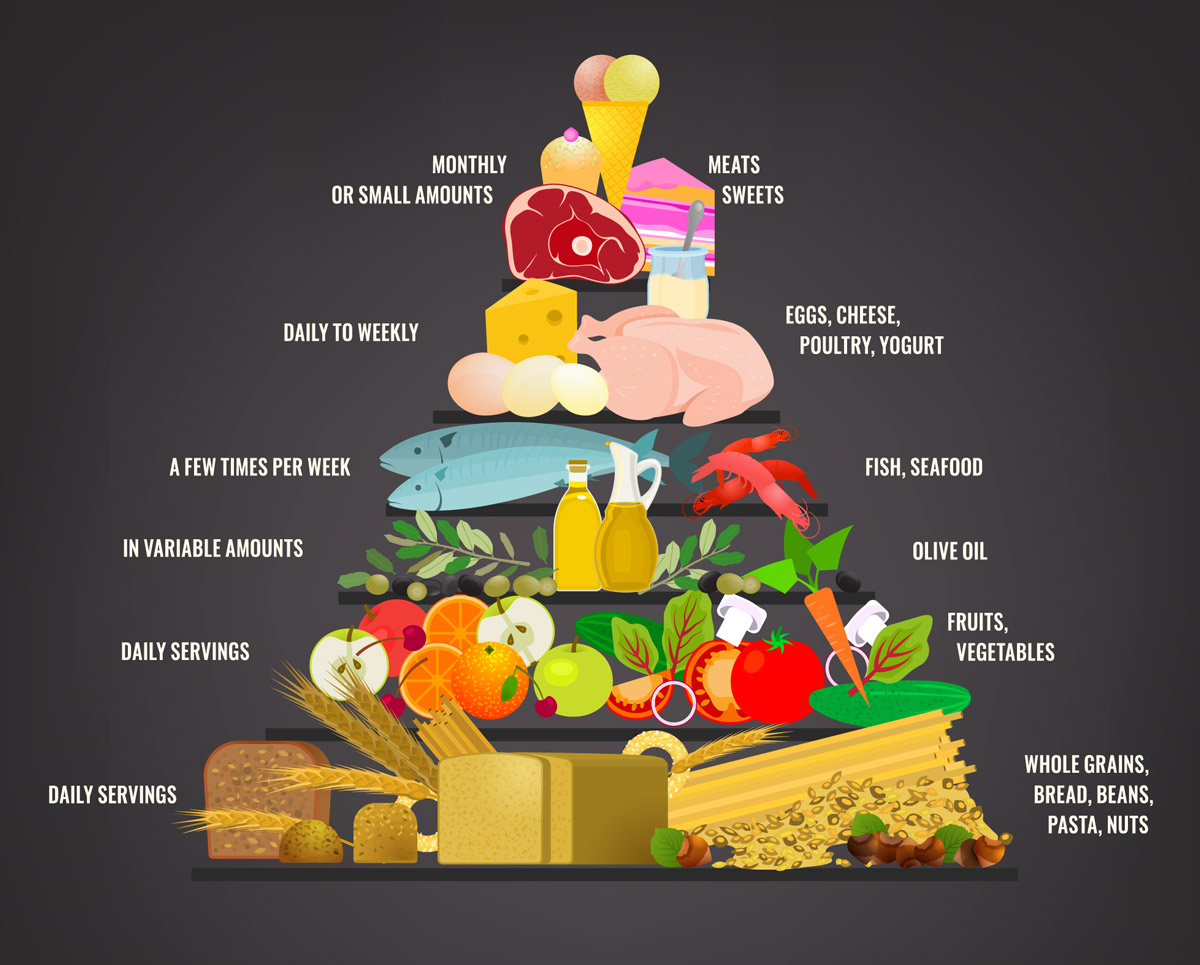
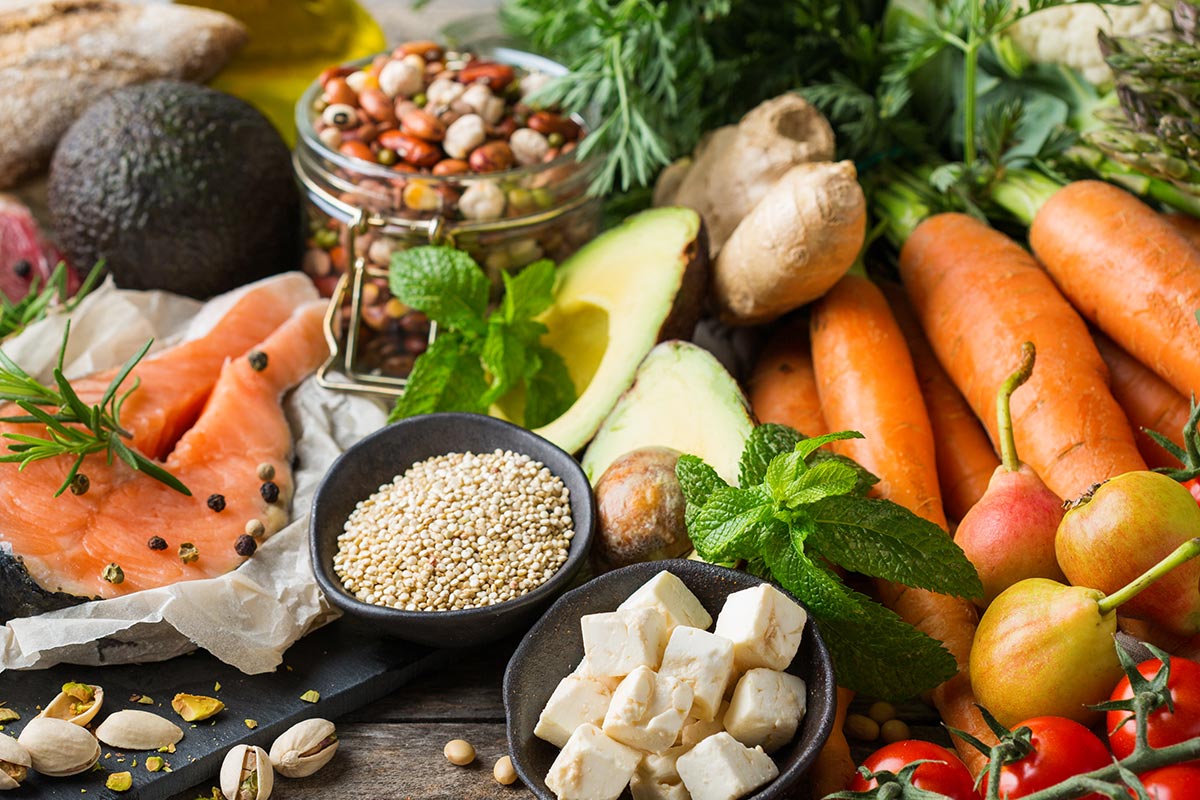
MIND is a hybrid of the Mediterranean and DASH diets, tailored to reflect key findings from nutrition and dementia research. It details serving sizes of specific foods to focus on and which to limit, primarily those high in saturated fat, which is known to negatively affect brain health.
Foods and portions to eat every day: 1/2 to 1 cup green leafy vegetables, 1/2 cup other vegetables, 2 tablespoons extra virgin olive oil, and three 1-ounce servings of whole grains.
Foods and portions to eat over the course of each week: 5 ounces nuts, 2-1/2 cups berries, 1-1/2 cups legumes, two 3-to-5-ounce servings of skinless poultry, and 3-to-5 ounces fish.
Foods to limit to these weekly totals: three or fewer 3-to-5-ounce servings of red and processed meats, 1 ounce whole-fat cheese, 1 fried or fast food, and 4 sweet servings. If desired, no more than 1 teaspoon of butter or stick of margarine a day.
Get More Recipes In Your Inbox!